01
One architecture, not separate programs
One funnel, one set of tiers and one attribution model across every partner type. Separate programs compete for the same partners. One engine compounds.
Open to speaking and podcast guesting
Partnerships that show up wherever buyers look. Affiliate and referral for revenue. Creator and offsite AEO for reach and authority.
Morning! Here's what moved overnight.
Recruit 12 high-authority partners shortlisted. 4 need your call.
Activate 3 partners went quiet. Check-ins drafted.
Citations 2 partner pages newly cited in AI answers.
Revenue Partner-sourced revenue on pace against KPI.
Commission 1 partner hit a bonus tier. Payout queued for approval.
2 waiting for a human
Over 6 months at HubSpot
76%
of partner content cited in AI answers, against an industry average of 30 to 40%
300K+
citations and mentions in AI responses
146K
Reddit citations, up from 178
The case I've spent years making
Partnerships drives revenue and authority at the same time, and programs that split them leave most of the value on the table.
The partners who convert and the partners who get cited are increasingly the same people. The best partnership programs aren't wired into the growth motion after the fact. They're built early, built right, and treated as core.
The Partner Contribution Model
Every partner mapped on two axes, so revenue and authority get managed together.
Citation presence
Invest and develop
Citations are working, revenue hasn't caught up. Front their costs. They're building your funnel.
Protect
Strong on both. Don't touch what's working, and make sure you can see why it works.
Cut or restructure
Low on both. Change the brief or exit, and reinvest in the top two.
Watch
Revenue is there, citations are weak. Exposed to the next algorithm update.
Revenue contribution
How I operate
Partner strategy, commission and attribution design, and the agent-run systems that keep it all moving.
01
One funnel, one set of tiers and one attribution model across every partner type. Separate programs compete for the same partners. One engine compounds.
02
High-trust, high-expertise partners beat a long list of inactive ones. I pay them on hybrid commissions designed around ROAS and partner LTV.
03
Every program starts with the business's own KPIs. Onboarding, enablement, tiering and reporting are built to connect partner activity to revenue.
04
Recruitment, activation and reporting shouldn't wait for a gap in someone's calendar. Agent-run workflows keep a program moving around the clock, with every decision logged and open to review.
05
Partner relationships, contracts and data belong to the brand, on the brand's own platform. Whoever runs the program brings the method. The results stay with you.
06
I don't think high performance has to cost people their well-being. I build teams where failing fast is survivable, because that's the only way anyone innovates.
Track record
2026 to now
Head of Growth Partnerships
Building an already growing function into an AI-native growth engine.
2022 to 2026
Head of Global Growth Partnerships
Four years taking the affiliate program from a relaunch to a global growth partnerships team of eight.
2019 to 2022
Partner Marketing
Built the affiliate program from nothing.
2017 to 2020
Founder
My own agency, delivering referral and affiliate programs for B2B SaaS clients.
About
2024
Partnerships Leader of the Year
HubSpot
Top people leader
For driving results while creating psychological safety.
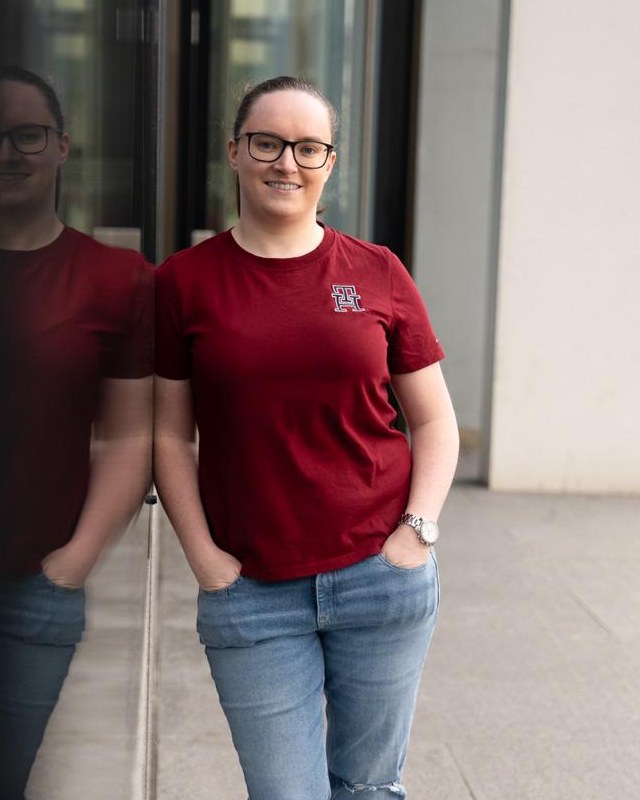
I've been building partner programs for B2B SaaS since 2017: in my own agency, from scratch at Teamwork, at scale at HubSpot and now at Instantly.
A proud Limerick woman based in Cork. Dogs, anything with an engine, and fierce advocacy for LGBTQ+ rights and for diversity and belonging in every room I'm in.
Writing and speaking
Speaker at
FAQ
Answer Engine Optimisation is the work of getting your brand cited when buyers ask ChatGPT, Perplexity or Google's AI answers for a recommendation. Offsite means earning those citations on other people's pages: partner content, review sites, forums and creators. Answer engines lean heavily on third-party sources, which makes it a partnerships job.
Because the partners who convert and the partners who get cited are increasingly the same people. Split them into two programs and you pay twice, negotiate twice and measure twice. One partner base, one set of terms and one attribution model gets you revenue and authority from the same relationships.
A flat fee, a revenue share and a performance bonus in one deal. It pays partners for the authority they bring as well as the customers they send, and it rewards the ones who outperform. I design them around ROAS and partner LTV rather than volume.
Earlier than most do. The best partnership programs aren't wired into the growth motion after the fact. They're built early, built right, and treated as core.
Open to podcast guesting, speaking, and conversations with SaaS teams building partnerships properly. DMs are open.
Connect on LinkedIn